


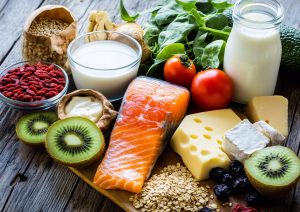


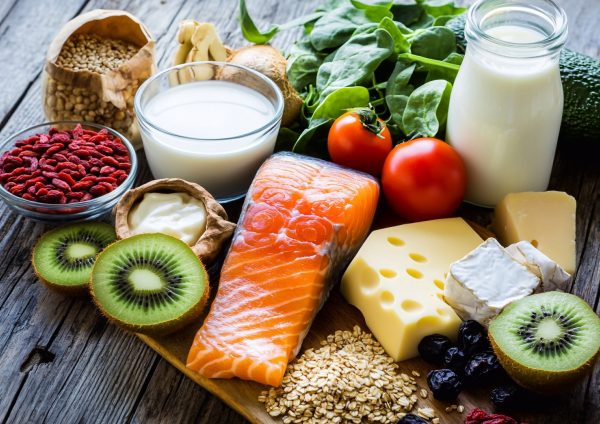
When it comes to keeping your teeth clean and healthy, tooth-friendly foods can be a helpful part of your daily routine. While brushing and flossing are essential, some of the foods you eat can also support your oral health.
Certain foods have textures and nutrients that may help stimulate saliva, support your teeth and gums, and reduce the effects of plaque-causing bacteria. While no food can replace a good oral hygiene routine, making thoughtful choices throughout the day can be a simple way to support a healthy smile.
At SmileON Dental Findlay Creek, we believe that good oral health starts with everyday habits. Here are some foods that can be a helpful addition to a tooth-friendly diet.
Crunchy Fruits and Vegetables: Tooth-Friendly Foods
Crunchy fruits and vegetables can be a great choice for your teeth. Foods such as apples, carrots, celery, and cucumbers require more chewing, which can stimulate saliva production.
Saliva plays an important role in protecting your teeth. It helps wash away food particles and neutralize acids produced by bacteria in your mouth.
- Apples – Apples are sometimes referred to as “nature’s toothbrush” because their firm, fibrous texture can help loosen some food particles from the surfaces of your teeth. However, apples still contain natural sugars and acids, so they should not be considered a substitute for brushing and flossing.
- Carrots – Raw carrots are crunchy and require plenty of chewing, which can help stimulate saliva flow. They also provide nutrients that contribute to an overall balanced diet.
- Celery – Celery has a high water content and a fibrous texture, making it another crunchy snack that can encourage chewing and saliva production.
Cheese and Other Dairy Products
Cheese can be a tooth-friendly snack because it contains calcium and phosphorus, minerals that are important for maintaining strong teeth. Cheese also stimulates saliva production, which helps clear food particles and acids from the mouth. Plain yogurt can also be a good choice, particularly varieties without added sugars. Yogurt provides calcium and other nutrients that support overall oral health.
When choosing yogurt, check the nutrition label for added sugars, as frequent exposure to added sugar can increase the risk of tooth decay.
Leafy Green Vegetables
Leafy greens such as spinach, kale, and lettuce can be a nutritious addition to your diet. They provide vitamins and minerals that support overall health, while many leafy greens are also relatively low in sugar. Adding leafy greens to salads, sandwiches, wraps, or meals can be an easy way to build a more balanced, tooth-friendly diet.
Nuts
Nuts can provide protein, healthy fats, and minerals while generally containing little added sugar. Almonds, for example, contain calcium and other nutrients that support overall health. Because some nuts are hard, people with certain dental conditions or dental restorations should choose varieties and textures that are comfortable and safe for them.
Crunchy Foods Can Encourage Saliva Production
One of the benefits of chewing is that it stimulates saliva. Saliva is one of your mouth’s natural defenses. It helps wash away food particles and contributes to the neutralization of acids in the mouth. This is one reason crunchy, water-rich foods such as carrots, celery, and apples can be a smart snack choice.
However, it’s important to remember that a food’s texture doesn’t automatically make it “clean” your teeth. Sticky or sugary foods can remain on tooth surfaces even if they require chewing.
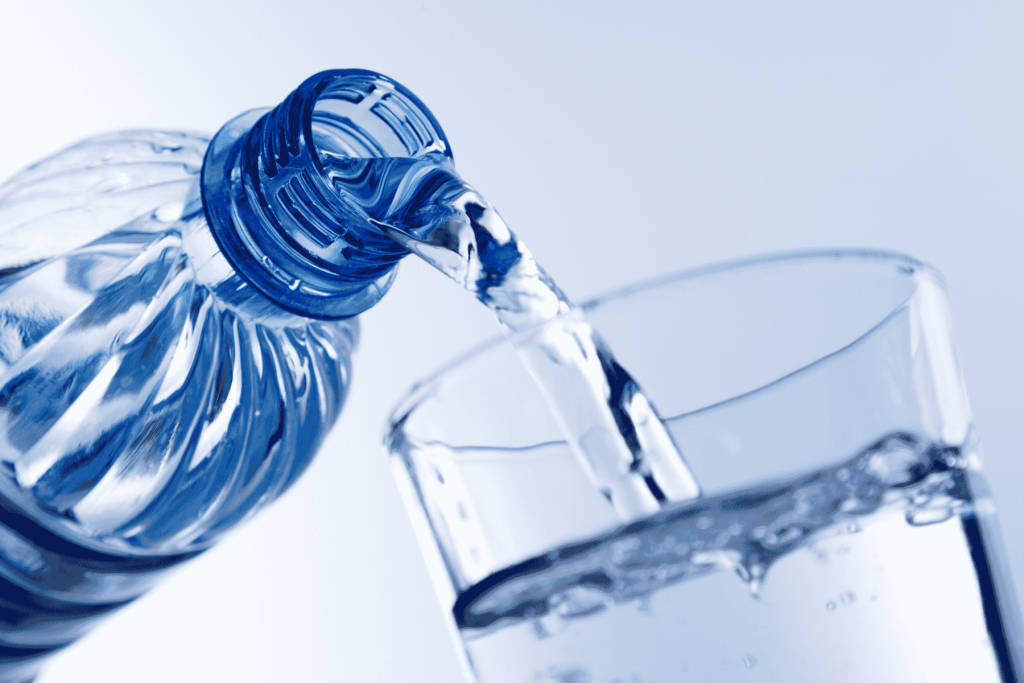
Water Is One of the Best Choices for Your Teeth
While water isn’t a food, it deserves a place on any list of tooth-friendly choices. Drinking water throughout the day can help rinse away food particles and keep your mouth hydrated.
Water is also a better everyday beverage choice for your teeth than sugary drinks. If your community water supply contains fluoride, drinking tap water may also contribute to your daily fluoride exposure. Try choosing water between meals and after eating when brushing isn’t immediately possible.
Foods Rich in Calcium and Phosphorus
Your teeth are made primarily of mineralized tissue, so nutrients such as calcium and phosphorus are important components of a balanced diet.
Foods that provide these nutrients include:
- Milk
- Cheese
- Plain yogurt
- Leafy green vegetables
- Fish
- Eggs
- Nuts and seeds
A balanced diet provides your body with the nutrients it needs to support your teeth, gums, and overall health.
What About Foods That Can Harm Your Teeth?
Knowing what to eat is only part of the picture. It’s also helpful to understand which foods and drinks can increase your risk of tooth decay or enamel erosion when consumed frequently.
Sugary Foods and Drinks
Frequent exposure to sugar gives bacteria in your mouth a source of energy that can contribute to acid production.
Common sources include:
- Candy
- Cookies
- Cakes
- Soft drinks
- Sweetened coffee and tea
- Sports and energy drinks
- Sugary cereals
You don’t necessarily have to eliminate these foods from your diet. Instead, consider limiting how frequently your teeth are exposed to sugary foods and drinks.
Sticky Foods
Sticky foods can cling to teeth for longer periods, increasing the amount of time your teeth are exposed to sugars. Examples include certain candies, dried fruit, and chewy snacks. If you enjoy dried fruit, consider having it as part of a meal rather than eating it frequently as a snack.
Acidic Foods and Drinks
Acidic foods and beverages can contribute to enamel erosion, particularly when consumed frequently. Citrus fruits, fruit juices, soft drinks, and some sports drinks can be acidic. You don’t need to avoid nutritious fruits such as oranges. Instead, avoid prolonged sipping or holding acidic drinks in your mouth, and consider rinsing with water afterward.
A Tooth-Friendly Snack Can Be Simple
You don’t need to completely change your diet to include more tooth-friendly foods. Simple choices throughout the day can help support your oral health.
Some simple snack combinations include:
- Apple slices with cheese
- Carrots and celery with hummus
- Plain yogurt with fresh fruit
- A handful of unsalted nuts
- Cheese with whole-grain crackers
- Fresh vegetables with a protein-rich dip
The goal isn’t to find foods that “clean” your teeth perfectly. It’s about choosing nutritious foods that support your oral health while limiting frequent exposure to sugar and acids.
Don’t Forget Your Daily Oral Hygiene Routine
Even the healthiest diet cannot replace proper dental care. Food can support your oral health, but plaque still needs to be physically removed through regular brushing and flossing.
A good daily routine includes:
- Brushing your teeth twice a day with fluoride toothpaste
- Cleaning between your teeth daily
- Limiting frequent sugary snacks and drinks
- Drinking water regularly
- Visiting your dentist for regular examinations and professional cleanings
Your dental team can also recommend products and techniques based on your individual needs.
Can Food Actually Clean Your Teeth?
Not exactly. You may have heard that certain foods can act like a natural toothbrush. Crunchy foods can stimulate saliva and may help loosen some food particles, but they cannot remove plaque and tartar the way brushing, flossing, and professional dental cleaning can.
Think of tooth-friendly foods as supporting your oral health rather than actually cleaning your teeth. Crunchy foods can stimulate saliva and may help loosen some food particles, but they cannot remove plaque and tartar the way brushing, flossing, and professional dental cleaning can. Want to learn more about how the foods you eat can affect your oral health? Explore the Ontario Dental Association’s nutrition tips for practical guidance on making tooth-friendly food choices.
When Should You See Your Dentist?
A healthy diet is only one part of maintaining a healthy smile. Regular dental visits allow your dental team to monitor your teeth and gums and identify concerns that may not cause noticeable symptoms at first.
Consider scheduling a dental appointment if you experience:
- Tooth sensitivity
- Bleeding or swollen gums
- Persistent bad breath
- Tooth pain
- A chipped or cracked tooth
- Changes in your bite
- Concerns about your oral health

If you haven’t had a dental examination recently, your dentist can help determine what type of care you need and how often you should return.
Frequently Asked Questions
- What are some tooth-friendly foods? Crunchy vegetables, fruits, cheese, plain yogurt, nuts, leafy greens, and other nutritious foods can support a tooth-friendly diet. Drinking water regularly is also beneficial for your oral health.
- Do apples actually clean your teeth? Apples have a firm, fibrous texture that can stimulate saliva and may help loosen some food particles. However, apples do not replace brushing, flossing, or professional dental cleaning.
- Is cheese good for your teeth? Cheese provides calcium and phosphorus and can stimulate saliva production, making it a tooth-friendly food choice.
- Is fruit bad for your teeth? Not necessarily. Whole fruits provide important nutrients and are generally a healthier choice than many processed snacks. However, some fruits are acidic or contain natural sugars, so good oral hygiene remains important.
- What should I drink for healthy teeth? Water is one of the best everyday beverage choices for your teeth. It helps rinse the mouth and doesn’t contain added sugar.
- Can food replace brushing and flossing? No. Even tooth-friendly foods cannot remove plaque effectively. Brushing twice daily with fluoride toothpaste and cleaning between your teeth are essential parts of your oral hygiene routine.
A Healthy Smile Starts With Everyday Choices
Your diet can play a role in supporting healthy teeth and gums. Choosing tooth-friendly foods such as crunchy vegetables, dairy products, nuts, leafy greens, and water can complement your daily oral hygiene routine and contribute to a balanced approach to oral health.
But remember: no food can replace brushing, flossing, regular dental examinations, and professional cleanings.
At SmileON Dental Findlay Creek, we’re here to help you keep your smile healthy at every stage. If you’re due for a dental exam or cleaning, our team can help you stay on track with personalized care and practical advice for your everyday routine.
Ready for Your Next Dental Visit? Take the next step toward a healthier smile.