







Common causes sensitive teeth can range from worn enamel and gum recession to cavities and teeth grinding. If you experience sharp pain when drinking cold water, enjoying ice cream, or sipping hot coffee, you’re not alone. Tooth sensitivity is a common dental concern that affects people of all ages. While occasional sensitivity may not be serious, persistent discomfort can interfere with daily life and may indicate an underlying dental problem.
At SmileOn Dental Findlay Creek, we help patients identify the causes of tooth sensitivity and provide personalized treatment options to restore comfort and protect long-term oral health.
What Is Tooth Sensitivity?
Tooth sensitivity, also called dentin hypersensitivity, occurs when the protective layer of enamel wears down or the tooth roots become exposed. This allows hot, cold, sweet, or acidic substances to stimulate the nerves inside the tooth, resulting in discomfort or sharp pain.
Sensitivity may affect one tooth or several teeth and can range from mild to severe.
Common Causes of Sensitive Teeth
Understanding the various causes sensitive teeth can help you identify the source of discomfort and seek appropriate treatment.
1. Worn Tooth Enamel
Enamel protects the inner layers of your teeth. Over time, enamel can wear away due to:
- Aggressive brushing
- Acidic foods and beverages
- Teeth grinding
- Natural aging
Once enamel becomes thinner, the sensitive dentin underneath becomes exposed.
2. Gum Recession
Receding gums expose the roots of the teeth, which are not protected by enamel. Common causes of gum recession include:
- Gum disease
- Brushing too hard
- Tobacco use
- Aging
Exposed roots are particularly sensitive to temperature changes.
3. Tooth Decay
Cavities can create openings in the enamel and expose sensitive areas. If sensitivity is isolated to one tooth, tooth decay may be responsible.
4. Cracked or Chipped Teeth
A small crack can allow bacteria and temperature changes to irritate the nerve inside the tooth. Symptoms may include:
- Pain when chewing
- Sensitivity to hot or cold
- Intermittent discomfort
5. Teeth Grinding (Bruxism)
Grinding or clenching your teeth while sleeping can wear down enamel over time. Signs of bruxism include:
- Morning headaches
- Jaw soreness
- Flattened teeth
- Tooth sensitivity
6. Recent Dental Treatment
Some patients experience temporary sensitivity after:
- Fillings
- Teeth whitening
- Dental cleanings
- Crown placements
This usually improves within a few days or weeks.
7. Foods and Drinks That Can Trigger Sensitivity
Certain foods and beverages may aggravate the causes sensitive teeth and increase discomfort. These include:
- Ice cream
- Hot coffee
- Citrus fruits
- Carbonated beverages
- Candy
- Sweet desserts
Acidic foods may further weaken enamel and increase discomfort.
How to Find Relief From Sensitive Teeth
1. Use Toothpaste for Sensitive Teeth
Specially formulated toothpaste can help block sensations and reduce discomfort over time.
For best results:
- Brush twice daily
- Use a soft-bristled toothbrush
- Continue use consistently
2. Avoid Brushing Too Hard
Gentle brushing techniques are more effective and healthier for your gums. Applying excessive pressure can wear away enamel and contribute to gum recession.
3. Limit Acidic Foods and Drinks
Reducing exposure to acidic beverages such as pop, sports drinks, energy drinks, and citrus juices can help preserve enamel and minimize sensitivity.
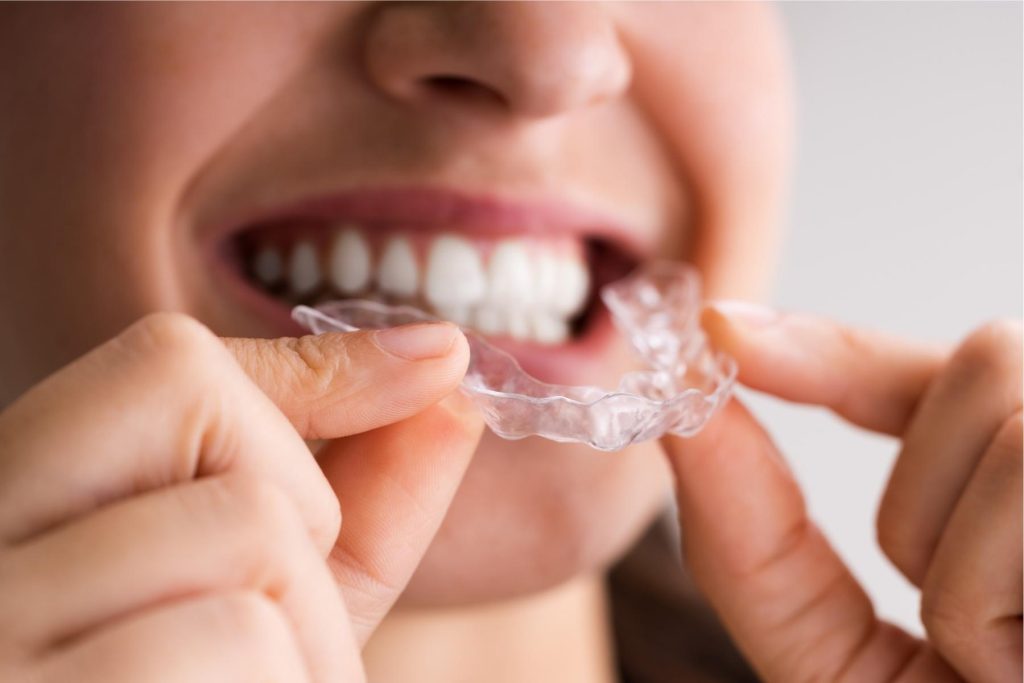
4. Wear a Night Guard
If you grind your teeth, a custom night guard can protect enamel and reduce sensitivity caused by bruxism.
5. Stay Consistent With Dental Visits
Regular checkups allow early detection of:
- Cavities
- Gum disease
- Cracked teeth
- Enamel wear
Preventive care can help stop minor issues before they become larger problems.
Professional Treatments for Tooth Sensitivity
Depending on the cause, your dentist may recommend:
- Fluoride Treatments – Professional fluoride applications strengthen enamel and reduce sensitivity.
- Dental Bonding – Bonding materials can cover exposed roots and protect sensitive areas.
- Gum Disease Treatment – Treating periodontal disease may help prevent further gum recession.
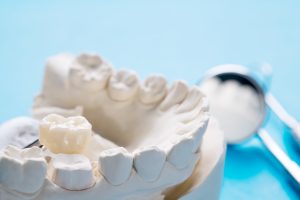
- Dental Crowns – Crowns protect damaged or cracked teeth and restore function.
- Night Guards – Custom appliances help prevent grinding-related enamel wear.
When Should You See a Dentist ?
Schedule an appointment if:
- Sensitivity persists for several days
- Pain becomes severe
- One specific tooth is affected
- You notice swelling or tooth discoloration
- Sensitivity interferes with eating or drinking
Persistent sensitivity should never be ignored, as it may signal a cavity, cracked tooth, or infection. To learn more about tooth sensitivity and oral health, visit the Ontario Dental Association.
Frequently Asked Questions
- What are the most common causes sensitive teeth? The most common causes sensitive teeth include enamel wear, gum recession, tooth decay, cracked teeth, and teeth grinding.
- Why are my teeth suddenly sensitive to cold? Sensitivity may result from enamel wear, gum recession, cavities, or teeth grinding.
- Can sensitive teeth go away on their own? Mild sensitivity may improve, but persistent symptoms should be evaluated by a dentist.
- Does whitening toothpaste cause sensitivity? Some whitening products can temporarily increase sensitivity in certain individuals.
- Is tooth sensitivity a sign of a cavity? It can be. Localized sensitivity in one tooth may indicate tooth decay or a crack.
Don’t Let Sensitive Teeth Affect Your Everyday Life
Tooth sensitivity can make simple pleasures like enjoying a cold drink or hot coffee uncomfortable, but relief is possible. Identifying the causes sensitive teeth early allows for effective treatment and helps protect your long-term oral health.
If you’re experiencing discomfort and want to learn more about the causes sensitive teeth, our team at SmileOn Dental Findlay Creek can help you find lasting relief. Book your appointment today and discover personalized solutions for sensitive teeth.