






As children grow, maintaining good oral health becomes increasingly important. Even with regular brushing and flossing, certain areas of the teeth can be difficult to clean thoroughly. This is especially true for the molars, which contain deep grooves where food particles and bacteria can easily accumulate.
One of the most effective ways to protect these vulnerable teeth is with dental sealants. Sealants are a simple, safe, and preventive treatment that can significantly reduce the risk of cavities in children and teenagers.
At SmileOn Dental Findlay Creek, we are committed to helping families protect growing smiles through preventive dental care. Here’s what parents should know about dental sealants and their benefits.
What Are Dental Sealants?
Dental sealants are thin protective coatings that are applied to the chewing surfaces of the back teeth, particularly the molars and premolars. These teeth naturally contain pits and grooves that can trap:
- Food particles
- Plaque
- Bacteria
Even children who brush carefully may have difficulty cleaning these areas effectively. Sealants act as a protective barrier that helps prevent bacteria and food from settling into these grooves.
Why Are Molars More Prone to Cavities?
The back teeth are responsible for chewing and grinding food. Their uneven surfaces make them more susceptible to decay than smoother front teeth.
Factors that increase cavity risk include:
- Deep grooves in molars
- Incomplete brushing
- Frequent snacking
- Sugary beverages
- Developing oral hygiene habits
Because molars are often difficult for children to reach properly, additional protection can be beneficial.
How Dental Sealants Work
Once applied, sealants create a smooth surface over the grooves of the tooth.
This protective layer helps:
- Block food particles
- Prevent plaque accumulation
- Reduce bacterial growth
- Lower cavity risk
Sealants do not replace brushing and flossing, but they provide an extra layer of defense.
Who Can Benefit From Dental Sealants?
- School-Aged Children – The first permanent molars usually emerge around age six. Applying sealants soon after these teeth erupt can help protect them during their cavity-prone years.
- Teenagers – As additional permanent molars emerge, teenagers can also benefit from sealant protection.
- Some Adults – In certain cases, adults without existing fillings or decay in their molars may also be candidates for dental sealants. Your dentist can determine whether sealants are appropriate based on your individual needs.
The Dental Sealant Procedure
One reason parents appreciate sealants is that the procedure is quick and comfortable.
Step 1: Cleaning the Tooth. The tooth is thoroughly cleaned and dried.
Step 2: Preparing the Surface. A special solution is applied to help the sealant bond securely.
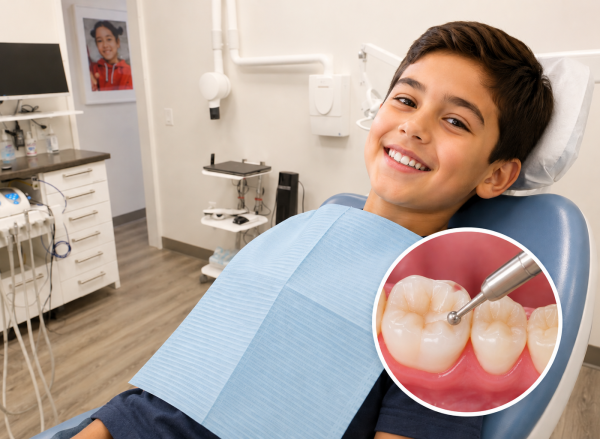
Step 3: Applying the Sealant. The liquid sealant is painted onto the chewing surface.
Step 4: Hardening the Sealant. A special curing light may be used to harden the material.
The entire process usually takes only a few minutes per tooth.
Benefits of Dental Sealants
- Help Prevent Cavities. Sealants significantly reduce the risk of decay on the chewing surfaces of molars.
- Quick and Painless. The procedure requires no drilling or injections.
- Long-Lasting Protection. With proper care, sealants can provide protection for several years.
- Cost-Effective Prevention. Preventing cavities is often less expensive than treating them later with fillings or other restorative procedures.
- Support Healthy Habits. Sealants complement regular brushing, flossing, and dental visits.
Are Dental Sealants Safe?
Yes. Dental sealants have been used safely for many years and are widely recommended by dental professionals. The materials used in sealants undergo extensive testing and are considered safe for children and teens.
If you have questions about sealant materials, your dentist can provide additional information.
Caring for Teeth With Sealants
Sealants require very little special maintenance. Children should continue to:
- Brush Twice Daily. Use fluoride toothpaste and proper brushing techniques.
- Floss Every Day. Flossing remains essential for cleaning between teeth.
- Attend Regular Dental Visits. Routine checkups allow dentists to monitor the condition of sealants and overall oral health.
- Maintain a Healthy Diet. Limiting sugary snacks and drinks supports cavity prevention.
How Long Do Dental Sealants Last?
Sealants can last several years with proper care. During regular dental exams, your dentist will check for:
- Wear
- Chipping
- Loss of sealant material
If necessary, sealants can be repaired or replaced to maintain protection. To learn more about dental sealants, visit the Canadian Dental Association’s patient guide.
Frequently Asked Questions
- At what age should children get dental sealants? Sealants are often recommended when the first permanent molars erupt, typically around age six, and again when the second molars appear during the early teen years.
- Do sealants replace brushing and flossing? No. Sealants are an additional preventive measure and should be combined with good oral hygiene habits.
- Are dental sealants painful? No. The procedure is quick, comfortable, and non-invasive.
- How effective are dental sealants? Sealants can significantly reduce the risk of cavities on the chewing surfaces of molars.
Protect Growing Smiles With Preventive Care
Dental sealants are one of the simplest and most effective ways to help protect children and teens from cavities. Combined with regular dental visits and good oral hygiene habits, sealants can support a lifetime of healthier smiles.
At SmileOn Dental Findlay Creek, we’re proud to help families take a proactive approach to oral health through preventive care tailored to every stage of life.
Schedule your child’s dental appointment today to learn whether dental sealants are right for their smile.