




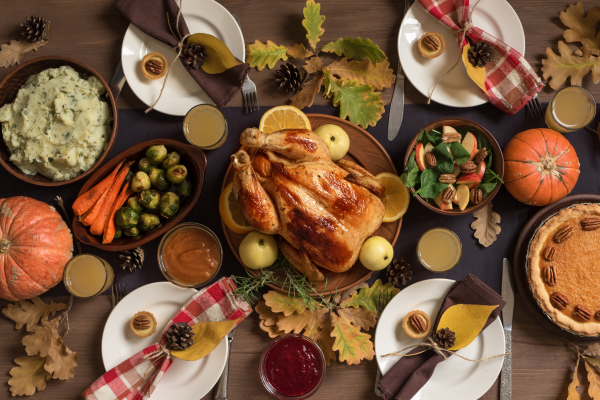
Now that Thanksgiving has passed, it’s a great time to get back to your regular oral hygiene routine after enjoying holiday meals, desserts, and family gatherings. From turkey and stuffing to pumpkin pie and cranberry sauce, Thanksgiving meals offer plenty to enjoy. However, frequent snacking, sugary treats, and acidic foods can contribute to plaque buildup, tooth decay, and enamel erosion over time.
At SmileON Dental Findlay Creek, we encourage families to make oral health part of their everyday routine.
In this guide, discover seven practical Thanksgiving dental care tips to help maintain healthy teeth and gums long after the celebrations end.
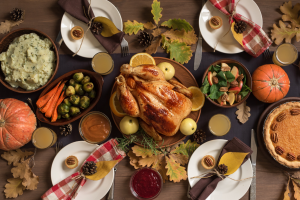
How Thanksgiving Foods May Have Affected Your Teeth
Not all holiday foods affect your teeth in the same way. Some provide nutrients that support oral health, while others contain sugars, starches, or acids that can increase the risk of dental problems.
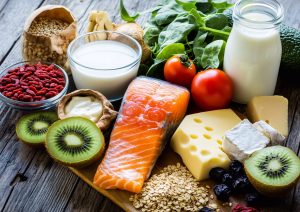
Foods That Support Healthy Teeth
- Turkey – Turkey provides protein and phosphorus, which contribute to the maintenance of healthy teeth and supporting tissues.
- Vegetables – Carrots, celery, green beans, and Brussels sprouts provide vitamins and minerals that support overall oral health. Crunchy vegetables can also stimulate saliva production, helping rinse away food particles.
- Cheese – Cheese contains calcium and phosphorus, which help maintain strong teeth. It can also stimulate saliva production and help neutralize acids in the mouth.
Including a variety of nutrient-rich foods in your meals is a simple way to support your oral health throughout the year.
Thanksgiving Foods to Enjoy in Moderation
Some Thanksgiving favourites contain ingredients that can contribute to tooth decay or enamel erosion when consumed frequently.
- Stuffing: Starchy ingredients can break down into sugars, and food particles may become trapped between teeth.
- Dinner rolls and bread: Starches can contribute to plaque formation when oral hygiene is inadequate.
- Sweet potato casserole: Added sugar and marshmallows can increase cavity risk.
- Pumpkin pie and other desserts: Sugary treats feed bacteria that produce acids capable of damaging tooth enamel.
- Cranberry sauce: Many recipes contain added sugar, while the natural acidity of cranberries can contribute to enamel erosion with frequent exposure.
You don’t need to avoid these foods entirely. Enjoying them in moderation, preferably with meals rather than through frequent snacking, can help reduce their impact on your teeth.
7 Thanksgiving Dental Care Tips to Follow After the Holiday
These Thanksgiving dental care tips can help you return to a consistent oral hygiene routine and maintain your smile throughout the holiday season.
1. Brush Twice Daily With Fluoride Toothpaste
After a busy holiday weekend, return to brushing your teeth twice a day for two minutes using fluoride toothpaste.
Brushing before bed is particularly important because it helps remove plaque and food debris accumulated throughout the day. Use a soft-bristled toothbrush and clean all tooth surfaces gently.
For more guidance, explore the Canadian Dental Association’s preventive dental care recommendations.
2. Floss Every Day
Brushing alone cannot effectively clean every surface between your teeth. Flossing daily helps remove plaque and food particles from areas your toothbrush may miss.
If you enjoyed sticky desserts, bread, or other foods that tend to get caught between teeth, flossing is especially helpful.
If traditional floss is difficult to use, ask your dental team about alternatives such as interdental brushes or floss holders.
3. Drink Plenty of Water
Water helps rinse away food particles and supports saliva production, which helps protect your teeth.
If you consumed more coffee, juice, wine, or sugary beverages than usual during Thanksgiving, choose water more often throughout the day.
Water is also a practical choice between meals because it doesn’t expose your teeth to the sugars found in many sweetened drinks.
4. Limit Frequent Snacking
Thanksgiving leftovers can be tempting, making it easy to graze throughout the day. However, frequent eating exposes your teeth to sugars and acids more often.
Try to enjoy meals and snacks at regular intervals instead of continuously snacking. This gives saliva more time to help neutralize acids in your mouth.
You can still enjoy your favourite leftovers while being mindful of how often you eat.
5. Be Mindful of Acidic Foods and Drinks
Cranberry sauce, wine, citrus fruits, and certain fruit juices can expose your teeth to acids that temporarily soften enamel.
After consuming acidic foods or drinks, rinse your mouth with water and wait about 30 to 60 minutes before brushing. This allows saliva to help restore the mouth’s natural balance and reduces the risk of brushing softened enamel.
6. Watch for Tooth Sensitivity
If your teeth feel sensitive after enjoying hot, cold, sweet, or acidic foods, pay attention to how often it happens and how long the discomfort lasts.
Persistent or worsening sensitivity can be associated with enamel wear, tooth decay, gum recession, or other dental concerns.
If sensitivity continues, or you experience pain when chewing or discomfort in a specific tooth, arrange a dental assessment rather than assuming the problem is simply related to holiday eating.
7. Schedule Your Next Dental Cleaning
Thanksgiving is a useful reminder to check in on your oral health as the year progresses.
If you’re due for a dental cleaning or examination, booking an appointment allows your dental team to assess your teeth and gums, remove hardened tartar, and identify potential concerns early.
At SmileON Dental Findlay Creek, we welcome individuals and families seeking to maintain their oral health. Our team provides preventive dental care tailored to your needs to help keep your teeth and gums healthy.
What to Do If Your Teeth Feel Sensitive After the Holidays
If you notice tooth sensitivity after enjoying hot, cold, sweet, or acidic foods, pay attention to how often it happens and how long it lasts.
Temporary sensitivity may occur for several reasons, but persistent or worsening discomfort can indicate an underlying dental issue, such as enamel wear, tooth decay, or gum recession.
Consider scheduling a dental examination if your sensitivity continues, particularly if you also experience pain when chewing or discomfort in a specific tooth.
Avoid assuming that sensitivity is simply the result of holiday eating. A dental professional can help identify the cause and recommend appropriate care.
When Should You Schedule Your Next Dental Cleaning?
Thanksgiving is a useful reminder to check in on your oral health as the year progresses.
If you’re due for a dental cleaning or examination, booking an appointment can help your dental team assess your teeth and gums, remove hardened tartar, and identify potential concerns early.
Routine dental visits are especially valuable if you have noticed bleeding gums, persistent bad breath, tooth sensitivity, or changes in your oral health.
At SmileON Dental Findlay Creek, we welcome individuals and families from Findlay Creek and surrounding Ottawa South communities. Our team can help you maintain your oral health with preventive dental care tailored to your needs.
Frequently Asked Questions
- Are Thanksgiving foods bad for your teeth? Not necessarily. Foods such as turkey, vegetables, and cheese provide nutrients that support oral health. Sugary desserts, sticky foods, and frequent snacking can increase the risk of tooth decay when oral hygiene is inadequate.
- How should I care for my teeth after Thanksgiving? Brush twice daily with fluoride toothpaste, floss once a day, drink water regularly, and limit frequent snacking. If you’re due for a dental examination or cleaning, consider scheduling an appointment.
- Should I brush my teeth immediately after eating Thanksgiving desserts? You can generally brush after meals, but after consuming acidic foods or drinks, wait about 30 to 60 minutes before brushing to help protect softened enamel.
- Can Thanksgiving desserts cause cavities? Frequent exposure to sugar can increase the risk of cavities because mouth bacteria produce acids that damage tooth enamel. Enjoying desserts in moderation and maintaining good oral hygiene can help reduce this risk.
- When should I book a dental cleaning after Thanksgiving? There is no need to book a cleaning simply because you’ve enjoyed holiday meals. However, if you’re due for your regular appointment or have noticed changes in your teeth or gums, contact your dental office to discuss your needs.
How to Maintain Healthy Teeth Throughout the Holiday Season
Thanksgiving may be over, but more celebrations are on the way. Family gatherings, office parties, seasonal desserts, and New Year’s celebrations can all make it tempting to stray from your usual oral hygiene routine.
The best way to protect your smile is to maintain simple, consistent habits:
- Brush twice daily with fluoride toothpaste.
- Floss at least once a day.
- Drink water regularly.
- Enjoy sugary and acidic foods in moderation.
- Avoid chewing ice or using your teeth to open packages.
- Keep up with routine dental examinations and cleanings.
For additional guidance, visit the Canadian Dental Association’s oral health care resource for information on caring for your teeth and mouth.
Good oral health isn’t about avoiding every treat. It’s about making informed choices and maintaining habits that protect your teeth throughout the year.
Keep Your Smile Healthy With SmileON Dental Findlay Creek
A healthy smile starts with daily habits and regular preventive dental care. By following these Thanksgiving dental care tips, you can enjoy holiday favourites while continuing to protect your teeth and gums.
If you’re due for a dental examination or cleaning, contact SmileON Dental Findlay Creek to learn more about our preventive dental services.
We’re here to help you and your family maintain healthy smiles throughout the year.
Ready to get back on track with your oral health? Contact SmileON Dental Findlay Creek to learn more about our preventive dental services and keep your smile healthy throughout the season.