






Your teeth are designed to withstand years of chewing, biting, and daily use. However, teeth can become damaged due to decay, injury, wear, or large restorations. When a tooth becomes weakened, a dental crown may be recommended to restore its strength, function, and appearance.
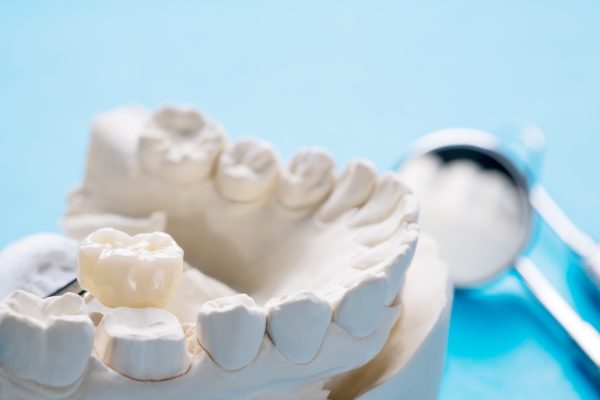
A dental crown is a custom-made restoration that covers the visible portion of a tooth, helping protect it from further damage while allowing it to function normally.
At SmileON Dental Findlay Creek, we help patients preserve their natural teeth whenever possible through personalized restorative dental care.
Here are five common signs that may indicate a dental crown could be beneficial.
What Is a Dental Crown?
A dental crown is sometimes referred to as a “cap” because it fits over a damaged or weakened tooth.
Crowns are designed to:
- Restore strength
- Improve appearance
- Protect remaining tooth structure
- Improve chewing function
- Help prevent further damage
Modern crowns are crafted to blend naturally with your smile while providing long-lasting support.
1. You Have a Cracked Tooth
Teeth can develop cracks from:
- Biting hard foods
- Sports injuries
- Accidents
- Teeth grinding
- General wear and tear
Some cracks are minor, while others can compromise the tooth’s structure.
Why a Crown May Help
A dental crown helps hold the tooth together and protects it from additional stress during chewing.
Without treatment, cracks may worsen and potentially require more extensive procedures.
2. You Have a Large Filling
Fillings are an excellent way to restore teeth affected by cavities.
However, when a tooth contains a very large filling, there may be less healthy tooth structure remaining to support normal function.
Potential Risks
Large fillings may increase the likelihood of:
- Tooth fractures
- Cracks
- Structural weakness
A crown can help reinforce and protect the remaining tooth.
3. Your Tooth Is Severely Worn Down
Over time, teeth can become worn due to:
- Teeth grinding (bruxism)
- Clenching
- Acid erosion
- Normal aging
Excessive wear may affect both appearance and function.
Signs of Tooth Wear
You may notice:
- Shorter teeth
- Increased sensitivity
- Flattened chewing surfaces
- Changes in your bite
Crowns may help restore proper shape, strength, and function.
4. You Experience Pain When Chewing
Pain or discomfort when biting down may indicate that a tooth has become weakened or damaged.
Possible causes include:
- Cracks
- Extensive decay
- Structural damage
- Failing restorations
A comprehensive dental examination can determine the source of the discomfort and whether a crown is appropriate.
Don’t Ignore Symptoms
Persistent chewing pain should always be evaluated promptly to prevent further complications.
5. You Recently Had Root Canal Treatment
Root canal therapy can save a tooth affected by infection or significant damage.
After treatment, the tooth may become more vulnerable to fracture because less internal tooth structure remains.
Why Crowns Are Often Recommended
A dental crown helps:
- Protect the treated tooth
- Restore strength
- Improve longevity
- Support normal chewing function
In many cases, crowns play an important role in the long-term success of root canal treatment.
Additional Situations Where Crowns May Be Recommended
Dentists may also recommend crowns for:
- Severely Broken Teeth. Crowns can help restore function when a significant portion of the tooth is damaged.
- Cosmetic Improvements. In some situations, crowns may improve the appearance of misshapen or severely discoloured teeth.
- Dental Implants – Crowns are commonly used as the visible replacement tooth attached to a dental implant.
Benefits of Dental Crowns
Dental crowns offer several important advantages.
- Protection – They help protect weakened teeth from further damage.
- Strength – Crowns restore structural support to compromised teeth.
- Function – Patients can typically chew and speak comfortably.
- Appearance – Modern crowns are designed to blend naturally with surrounding teeth.
- Longevity – With proper care, crowns can provide many years of service.
Caring for a Dental Crown
Although crowns are durable, they still require proper care. Maintain healthy habits by:
- Brushing twice daily
- Flossing every day
- Avoiding chewing ice
- Avoiding using teeth as tools
- Attending regular dental checkups
Good oral hygiene helps protect both the crown and surrounding teeth. Learn more about dental crowns from the Ontario Dental Association.
Frequently Asked Questions
- How do I know if I need a dental crown? A dental examination is necessary to determine whether a crown is the most appropriate treatment option.
- Are dental crowns permanent? Crowns are designed to be long-lasting, but they may eventually need replacement due to normal wear over time.
- Can a crown improve the appearance of my tooth? Yes. Crowns can restore both function and aesthetics for damaged or worn teeth.
- Does getting a crown hurt? Modern dental techniques help make crown procedures comfortable for most patients.
Protect and Restore Damaged Teeth With a Dental Crown
A dental crown can be an effective solution for protecting weakened teeth, restoring function, and improving appearance. Recognizing the signs early may help prevent more extensive dental problems and preserve your natural smile.
At SmileON Dental Findlay Creek, we provide personalized restorative dental care designed to help patients maintain healthy, strong smiles for years to come.
Schedule a consultation today to find out whether a dental crown is the right solution for your smile.