






Sports are a great way for children and teens to stay active, build confidence and develop teamwork skills. Whether they play hockey, basketball, soccer or another sport, staying safe is an important part of the game.
One piece of protective equipment that should not be overlooked is a mouthguard. A properly fitted mouthguard can help protect young athletes from dental injuries and make sports participation safer.
In this article, we’ll look at why mouthguards matter, which sports may require them and how to choose the right one for your child.
What Is a Mouthguard?
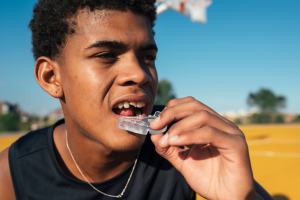
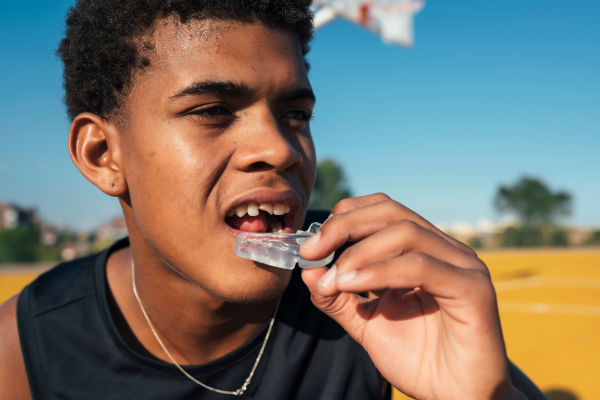
A mouthguard is a protective device worn over the teeth during sports and physical activities. It helps cushion the impact of a blow to the face, reducing the risk of injuries to the teeth, lips, cheeks, tongue and jaw.
Although mouthguards are commonly associated with contact sports, dental injuries can also happen during activities where accidental collisions, falls or contact with equipment are possible.
Why Are Mouthguards Important for Young Athletes?
Children and teenagers are still developing, and a dental injury can affect more than just their smile. Wearing a mouthguard helps provide an extra layer of protection during sports.
Here are some important reasons to make a mouthguard part of your young athlete’s sports gear.
1. Helps Protect Against Broken or Knocked-Out Teeth
A fall, collision or accidental hit from a ball, stick or another player can damage teeth. A mouthguard helps absorb and distribute some of the force from an impact, reducing the risk of chipped, fractured or knocked-out teeth.
2. Protects the Lips, Cheeks and Tongue
During an impact, teeth can cut the inside of the mouth. A mouthguard creates a protective barrier between the teeth and the soft tissues of the mouth, helping reduce the risk of cuts and injuries.
3. May Help Reduce the Risk of Jaw Injuries
A properly fitted mouthguard can help cushion blows to the lower face and may reduce the risk of certain jaw injuries. However, it cannot prevent every injury, so other recommended protective equipment is still important.
4. Helps Young Athletes Play with Confidence
Knowing they have appropriate protective equipment can help children feel more prepared when participating in sports. A mouthguard is a simple addition to their safety routine.
Which Sports Should Young Athletes Wear Mouthguards For?
Mouthguards are especially important in sports involving physical contact, fast-moving equipment or a risk of falls and collisions.
Examples include:
- Hockey and ringette
- Basketball
- Soccer
- Football
- Rugby
- Lacrosse
- Martial arts and boxing
- Skateboarding and other activities with a risk of falls
Even if a sport does not require a mouthguard, parents may want to consider one based on the activity and their child’s individual risk of dental injury.
Choosing the Right Mouthguard
Not all mouthguards offer the same fit or level of comfort. A mouthguard should fit securely, allow comfortable breathing and speaking, and stay in place during activity.
Here are three common types:
- Stock mouthguards: These come ready to wear but may not fit securely and can be less comfortable.
- Boil-and-bite mouthguards: These are softened in hot water and moulded around the teeth at home. They offer a more personalized fit than stock options, although the fit can vary.
- Custom-fitted mouthguards: Made by a dental professional using an impression or scan of the teeth, these are designed to fit an individual’s mouth. They can provide a secure and comfortable fit, which may make them easier for young athletes to wear consistently.
A dentist can help you determine which option is appropriate for your child.
Mouthguard Care Tips
Taking care of a mouthguard helps keep it clean and in good condition.
- Rinse it with cool water before and after each use.
- Clean it regularly according to the manufacturer’s instructions.
- Store it in a ventilated protective case.
- Keep it away from heat, which can change its shape.
- Check regularly for tears, cracks or signs of wear.
- Bring it to dental appointments so your dentist can check its fit and condition.
As children grow and their teeth change, their mouthguard may need to be replaced to maintain a proper fit. To learn more about mouthguards and how they help protect your smile, visit the Ontario Dental Association’s guide.
What Should You Do If Your Child Has a Dental Injury?
Even with protective equipment, accidents can happen. If your child experiences a dental injury during sports, contact a dentist as soon as possible.
A knocked-out permanent tooth is a dental emergency. Handle it by the crown (the part normally visible in the mouth), avoid touching the root, and seek immediate dental care. If possible, keep the tooth moist in milk or an appropriate tooth-preservation solution while getting help. Do not try to reinsert a baby tooth.
Prompt attention can make a difference in managing dental injuries and protecting your child’s oral health.
Ready to Protect Your Young Athlete’s Smile?
From practices to game day, a mouthguard is a simple but important part of sports safety. Choosing one that fits properly, keeping it clean and replacing it when needed can help protect your child’s smile as they enjoy the activities they love.
At SmileOn Dental Findlay Creek, we encourage families to make oral health part of their children’s overall sports safety routine. If you have questions about mouthguards or would like advice on choosing one for your young athlete, speak with your dental team at your next visit.
Keep them active, keep them protected, and keep those young smiles healthy!