






Bad dental habits can quietly damage your teeth and gums without causing immediate symptoms. While brushing, flossing, and regular dental visits are essential for maintaining good oral health, certain everyday behaviours may gradually wear down enamel, cause gum recession, increase tooth sensitivity, or lead to chipped teeth. The good news is that recognizing these bad dental habits early can help you protect your smile and prevent more serious dental problems.
Over time, these habits may lead to worn enamel, chipped teeth, gum recession, sensitivity, and other oral health concerns. The good news is that once you’re aware of these habits, small changes can make a big difference in protecting your smile.
At SmileOn Dental Findlay Creek, we help patients identify bad dental habits and develop healthier routines that support long-term oral health. Here are five common bad dental habits that may be harming your teeth without you even realizing it.
1. Brushing Too Hard
Many people assume that brushing harder means cleaning better. In reality, aggressive brushing can do more harm than good.
How It Affects Your Teeth
Excessive pressure can:
- Wear down enamel
- Cause gum recession
- Increase tooth sensitivity
- Irritate gum tissue
Over time, exposed tooth roots may become more vulnerable to decay and discomfort.
A Better Approach
Use:
- A soft-bristled toothbrush
- Gentle circular motions
- Light pressure
Remember, effective brushing is about technique, not force.
2. Frequently Sipping Sugary or Acidic Drinks
Many people avoid sugary snacks but forget that beverages can also affect oral health.
Common examples include:
- Soft drinks
- Sweetened coffee
- Sports drinks
- Energy drinks
- Flavoured waters
- Fruit juices
Why It Matters
Every sip exposes your teeth to acids and sugars.
When consumed throughout the day, these drinks can contribute to:
- Enamel erosion
- Cavities
- Tooth sensitivity
What You Can Do
Try to:
- Drink water more often
- Limit sugary beverages
- Consume acidic drinks with meals
- Rinse with water afterward
3. Using Your Teeth as Tools
Teeth are designed for chewing food—not opening packages or tearing objects.
Yet many people use their teeth to:
- Open snack bags
- Remove bottle caps
- Cut tape
- Tear plastic packaging
Potential Consequences
This habit can lead to:
- Chipped teeth
- Cracks
- Broken fillings
- Dental emergencies
Always reach for the appropriate tool instead.
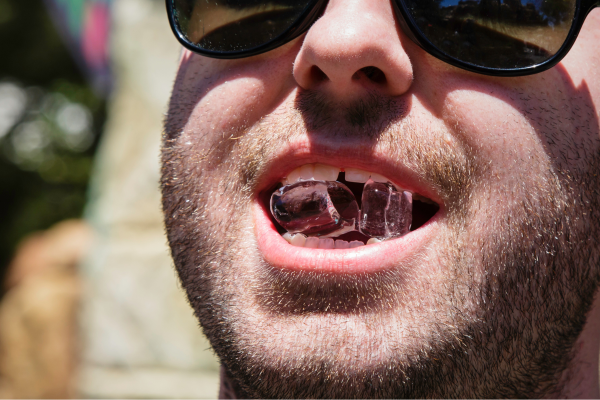
4. Chewing Ice
Chewing ice may seem harmless because it’s made of water, but it can place significant stress on your teeth.
Risks of Ice Chewing
Ice is hard enough to:
- Chip enamel
- Crack teeth
- Damage dental restorations
Repeated ice chewing can gradually weaken teeth over time.
Better Alternatives
If you enjoy crunching ice, consider:
- Chilled water
- Refrigerated fruits
- Crunchy vegetables
These options are less likely to damage your teeth.
5. Ignoring Teeth Grinding and Clenching
Many people grind or clench their teeth without realizing it, especially during sleep.
This condition, known as bruxism, can place tremendous pressure on teeth and jaw muscles.
Signs of Teeth Grinding
You may notice:
- Morning headaches
- Jaw soreness
- Tooth sensitivity
- Worn tooth surfaces
- Neck tension
Why Treatment Matters
Untreated grinding may contribute to:
- Cracked teeth
- Enamel wear
- Jaw discomfort
- Temporomandibular joint (TMJ) issues
A custom night guard may help protect your teeth while you sleep.
Additional Habits Worth Watching
Other behaviours that may negatively affect oral health include:
- Nail Biting – Can chip teeth and strain the jaw.
- Frequent Snacking – Constant eating increases acid exposure.
- Skipping Flossing – Allows plaque to accumulate between teeth.
- Smoking or Vaping – May increase the risk of gum disease, staining, and other oral health problems.
How to Protect Your Smile Every Day
Avoiding bad dental habits is one of the easiest ways to protect your smile. Healthy oral care habits, combined with regular dental visits, can help keep your teeth and gums healthy for years to come.
Simple steps include:
- Brushing twice daily
- Flossing every day
- Drinking plenty of water
- Wearing a mouthguard during sports
- Visiting your dentist regularly
- Addressing dental concerns early
Consistency is one of the most powerful tools for maintaining oral health. Looking for more ways to keep your smile healthy? Explore the Ontario Dental Association’s Oral Health Basics for expert tips on brushing, flossing, nutrition, preventive care, and more.
When Should You See a Dentist?
Schedule a dental visit if you notice:
- Persistent tooth sensitivity
- Chipped or cracked teeth
- Jaw pain
- Bleeding gums
- Changes in your bite
Early diagnosis often leads to simpler and more effective treatment.
Frequently Asked Questions
- Which bad dental habits cause the most damage? Brushing too hard, chewing ice, using your teeth as tools, frequently sipping sugary drinks, and grinding your teeth are among the most common bad dental habits that can damage your teeth over time.
- Is brushing harder better for cleaning teeth? No. Gentle brushing with proper technique is more effective and less damaging.
- Can sports drinks damage teeth? Yes. Many sports drinks contain acids and sugars that can contribute to enamel erosion and tooth decay.
- How do I know if I grind my teeth? Common signs include jaw soreness, morning headaches, and worn tooth surfaces.
- Is chewing ice really bad for teeth? Yes. Ice can chip enamel, crack teeth, and damage existing dental work.
Small Changes Can Protect Your Smile
Many bad dental habits develop gradually and may not seem harmful at first, but over time they can lead to tooth damage, gum disease, and costly dental treatment. By recognizing these habits and making small daily changes, you can protect your smile and enjoy better oral health for years to come.
At SmileOn Dental Findlay Creek, we’re here to help you maintain a healthy smile through preventive care, education, and personalized treatment.
Schedule your next dental checkup today and learn more about protecting your smile from everyday wear and damage.